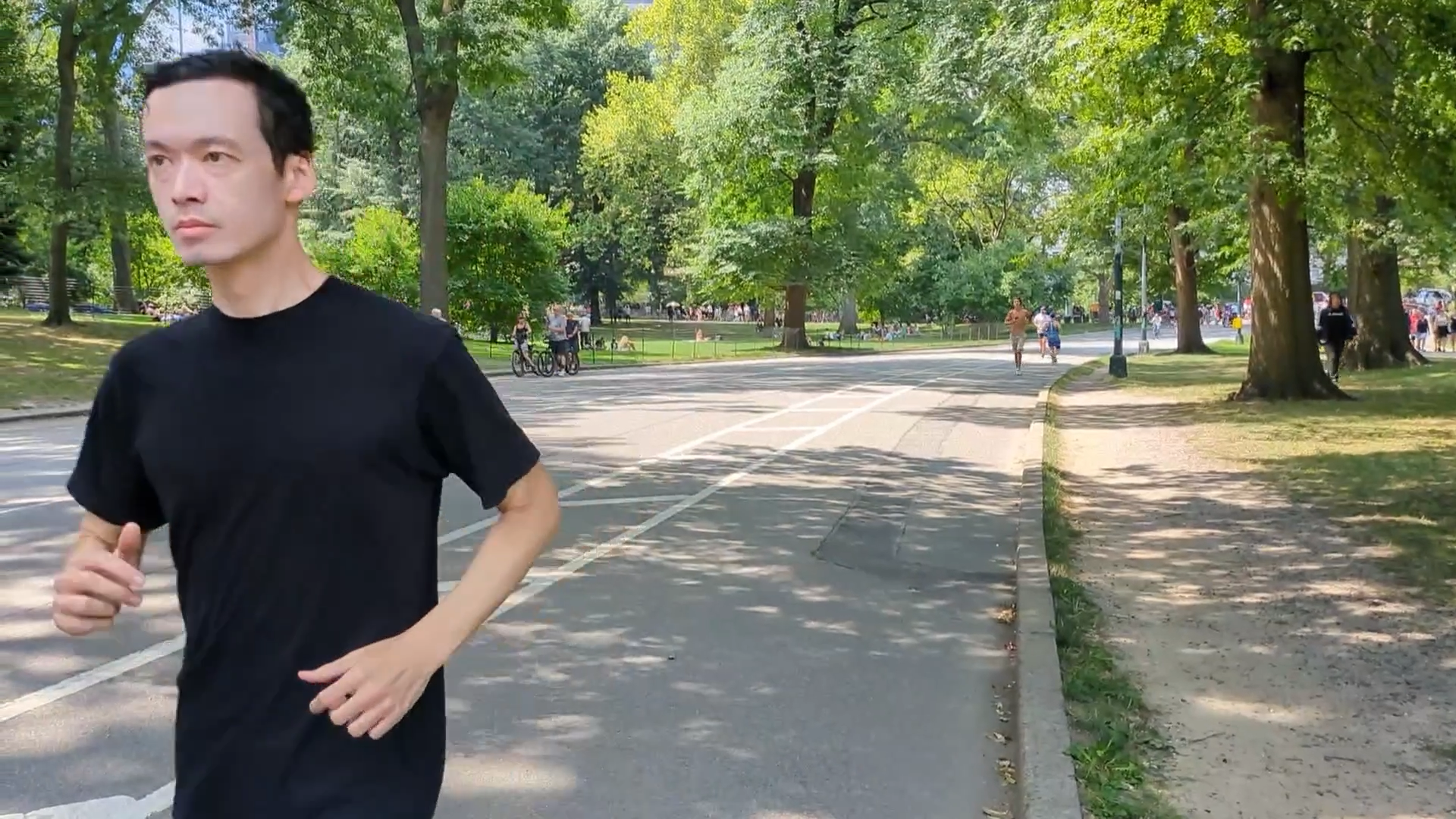
For completeness, here are miscellaneous health-conscious interventions I partake in beyond the diet and exercise routines covered in my prior entries (beyond the basics I assume most people in developed nations practice like washing hands before eating with hands, going to a hospital for a broken limb, etc). Added context (life history) for giggles and to indicate my reasons. Going generally in temporal order, from dawn to dusk:
Sun | Teeth | Sleep | Misc | End
Dark side of the Sun
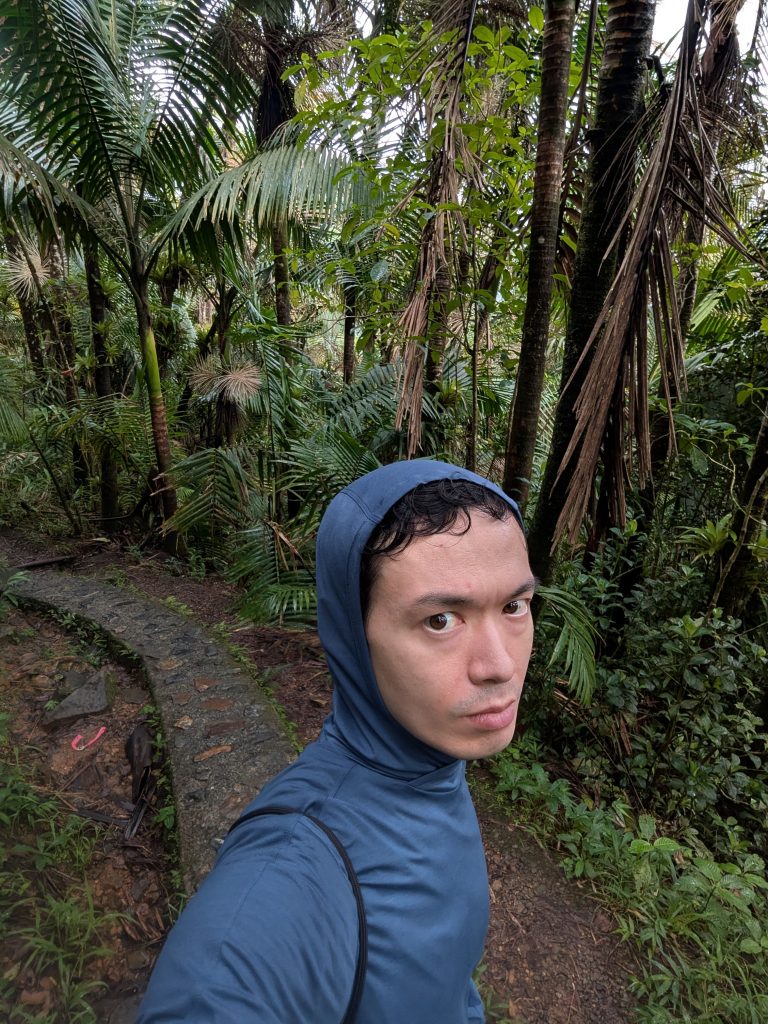
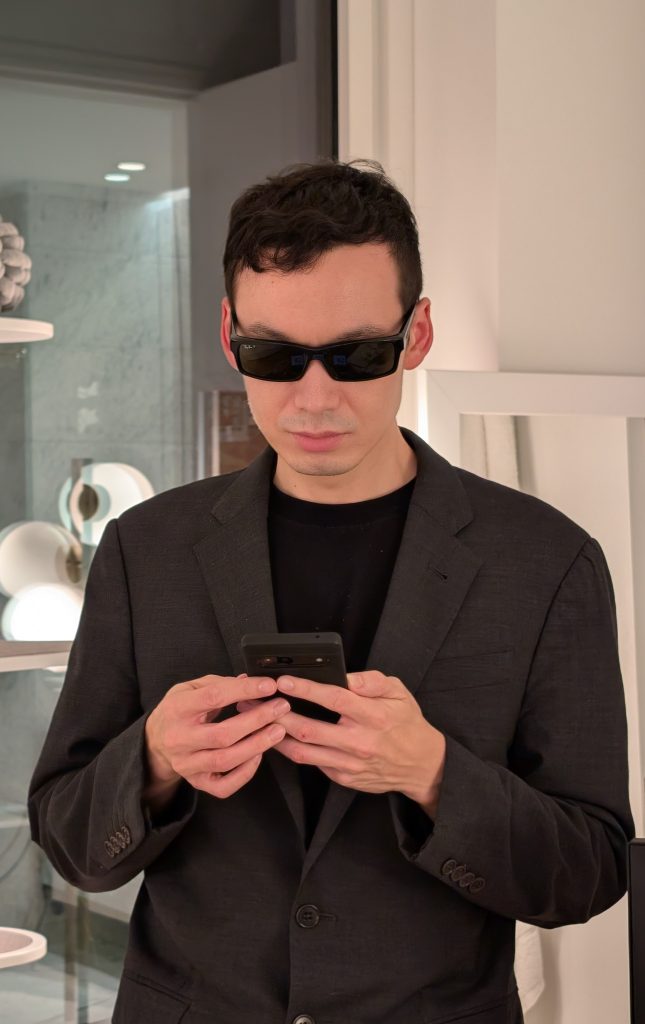
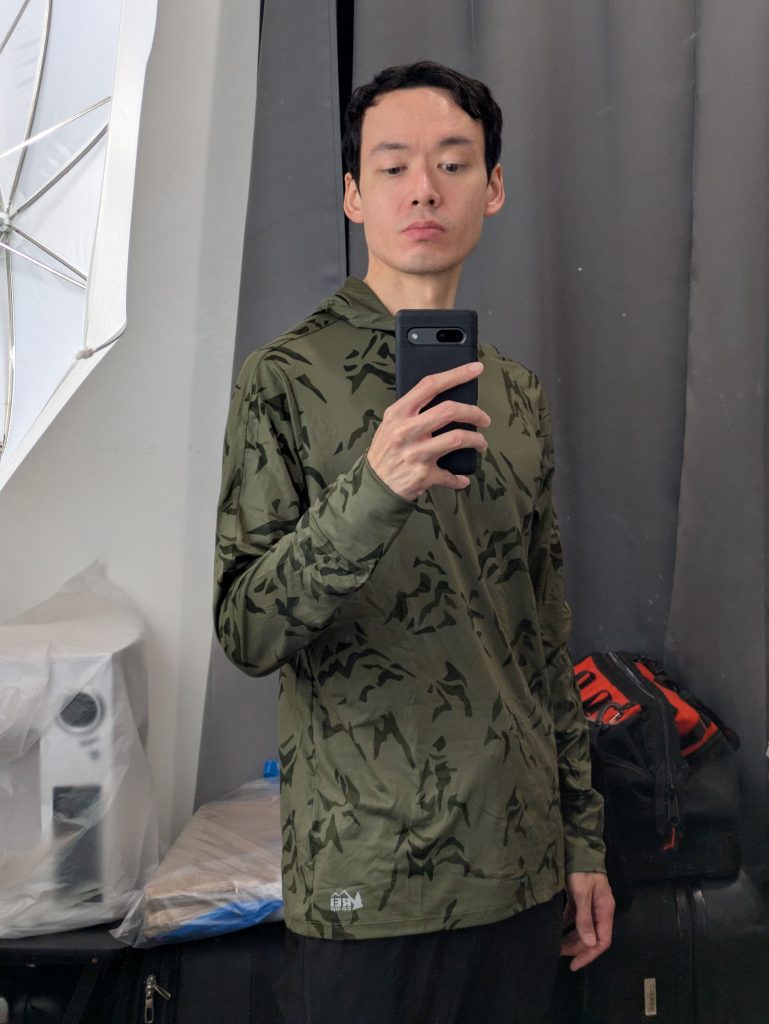
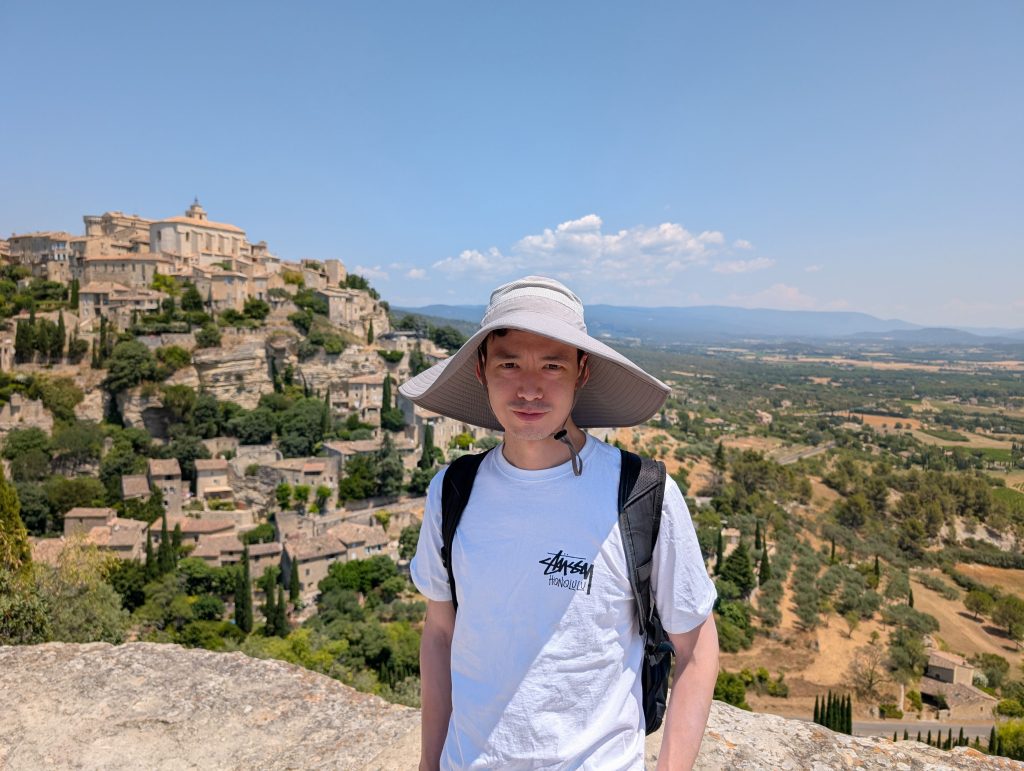
Since the age of 35 or so, I wear sun protection in higher UV indices. I generally don’t like applying sun lotion as it’s messy, takes time and must be reapplied periodically. I prefer UPF 50+ clothing (like widebrim hats and clothes rated UPF 50+). I occasionally use a UPF 50+ parasol if UV is particularly high and my clothes don’t always provide enough coverage. If I can’t use these (e.g. if I’m running outside without sunscreen) I try to minimize direct sun exposure during high-UV hours and/or wear a cap so at least my face has some protection. I find that these in combination with catching shade are generally sufficient. In situations where sunblock is the only real option (like if I’m swimming in high UV) then I apply SPF 50+ mineral sunscreen, which can be more easily removed when showering with an oil-based cleanser. I don’t generally wear sunglasses but I have Ray-Ban shades that provide 100% UVA and UVB protection.
Before my 30s I basically never used sun protection so I’m no stranger to sunburns and other skin damage. I used to have a lot of freckles before I lasered them off. I don’t use any facial products like moisturizers, etc, for similar reasons I don’t apply sun cream – messy, takes time – and I believe there are more natural and better ways to keep skin in good condition, like minimizing the causes of skin deterioration in the first place, high UV being one of them.
Here are some UV-protection products I’ve tried and can recommend:
Leotruny UPF 50+ foldable widebrim hat
REI Sahara Shade UPF 50+ hoodie
Outdoor Research Ferrosi UPF 50+ pants
Columbia PFG Terminal Tackle UPF 50+ hoodie, pants, and gloves
Columbia PFG Thrill Tide visor/cap
Solbari UPF 50+ parasol/umbrella
Sun Bum mineral sunscreen SPF 50 *
Palmers Skin Therapy Cleansing Oil (to more easily remove mineral sunscreen with water, e.g. when showering) *
Ray-Ban RB4151 sunglasses (polished black with G-15 green lenses)
Teeth, not teef
Teef being a possible pronunciation of teeth for someone who is missing some.
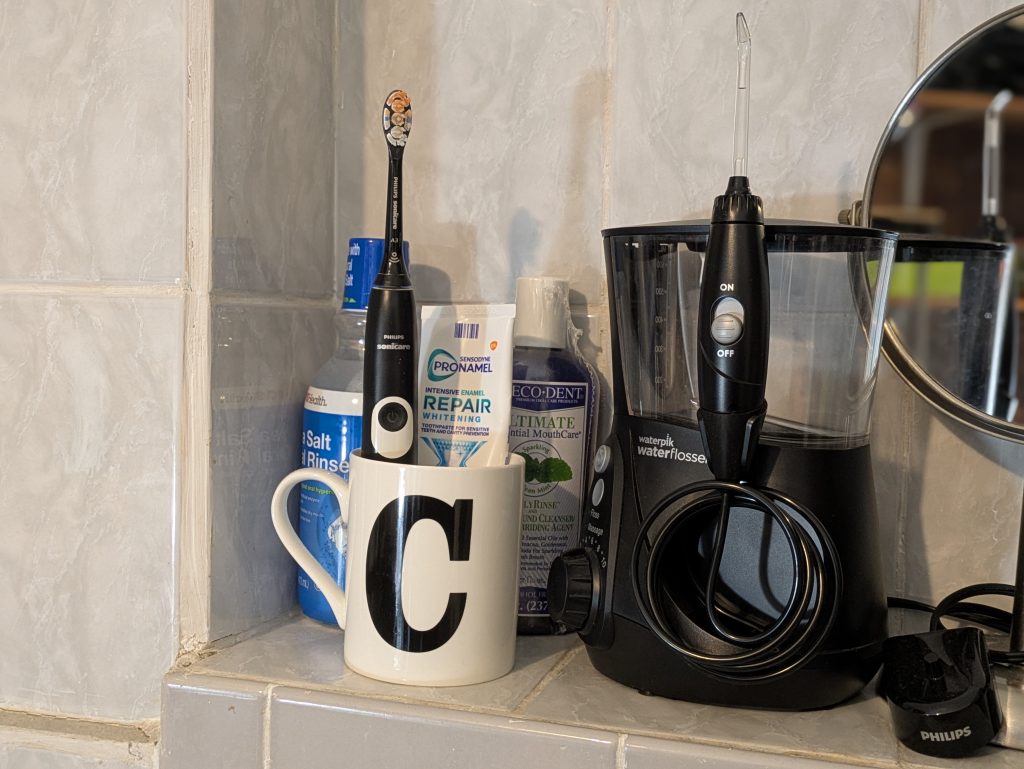
I try to brush twice a day, and always brush at night. I waterfloss at night before brushing. I wait at least 10-30 minutes after eating before brushing to minimize acid erosion. I use SLS-free toothpaste on a high-powered electric toothbrush. On the rare occasions my gum has cuts or irritation (like if I burn the roof of my mouth), I use an alcohol-free mouth cleanser or salt rinse.
Reportedly as a kid when I was with babysitters for a week, I drank a lot of apple juice, my teeth were not looked after and they rotted so I needed to have fillings put in under anesthesia. Evidently I did not learn from this as an adult; in my 20s dentists informed me of enamel erosion which I suspect was from drinking lots of orange juice daily (high in acid), something I don’t do anymore. Besides that, occasional cavities and bleeding gums, nothing too serious. For various reasons, I never got into flossing, and only started water-flossing last year. Hopefully with these interventions it will be teeth and not teef for many years to come.
Here are some teeth-cleaning products I’ve tried and can recommend:
Sensodyne Pronamel Clinical Enamel Strengthening Toothpaste, Whitening Action (3.4oz)
Waterpik Aquarius WP-662 water flosser
Philips Sonicare ProtectiveClean 4100 electric toothbrush
Philips Sonicare A3 all-in-one toothbrush heads
Eco-Dent Ultimate Essential MouthCare alcohol-free wound cleanser mouthwash *
Sleep like a baby
Update: More about sleep in this blog entry.
Well, that might be on a case by case basis because according to my mom when I was a baby I caused a racket and didn’t always sleep much.
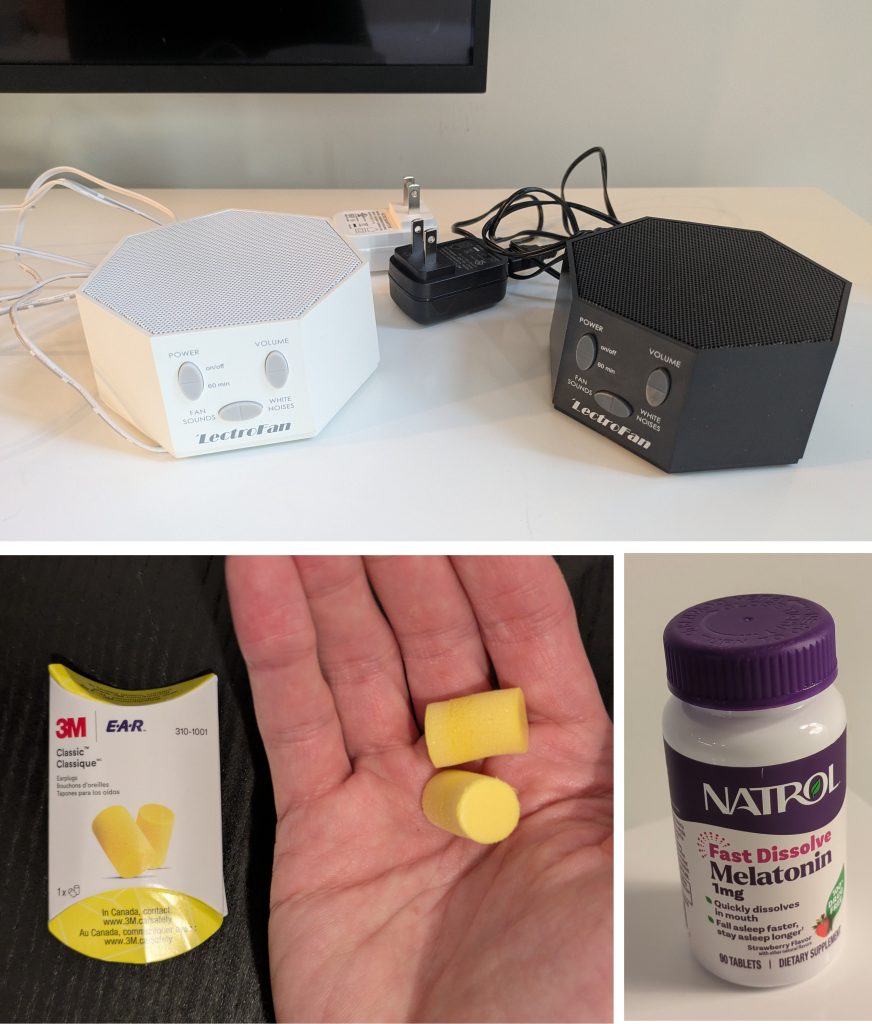
Nowadays as a fully-grown baby, I aim for 7-9 hours of sleep a night. I reserve melatonin for certain situations, such as if I’m having trouble falling to sleep at a desired hour (e.g. jetlag), and/or if my schedule the next day requires me to wake up earlier than when I usually naturally wake. In these cases, I sometimes take ~1 mg of melatonin before sleep. I usually use 29+ NRR earplugs and sometimes white noise machines/apps to minimize sleep disruption from interruptive noise (via headphones if I’m with my girlfriend who contrarily finds white noise distracting). I also use noise-reducing blackout curtains and acoustic panels at home to reduce exterior noise. My city is not known for being quiet. I sometimes use a sleep mask outside of home (gf’s, trips) to block early morning light (I’m generally not a morning person).
Despite these efforts and my current schedule being relatively lax, I still occasionally get fewer than 6 hours of sleep. The difference in how I feel and subjectively function (and apparently in certain biomarkers if I happen to be testing), between up to 6 hours of sleep, vs 7+ hours, can be night and day. As with many lads when they were younger, I used to not prioritize sleep as much. The longest I’ve gone without sleep I think may have been close to 48 hours during my university years, which was intentional. I was feeling pretty weird and trippy by the end of that. Meanwhile, the most I’ve slept in one go was I think around 17-18 hours … which I believe was right after that lengthy almost-48h-awake stunt.
Here are sleep-conducive products I’ve tried and can recommend:
Adaptive Sound Technologies LectroFan noise machine: black / white
3M 310-1001 earplugs (NRR 29) Update 9/2026: I stopped using these; see here.
Natrol melatonin 1 mg fast-dissolve *
Whole Foods 365 Liquid Melatonin drops
Ambient noise apps for when noise machines are not an option: TarrySoft Noise Machine (I use the Pink Noise setting) and/or Beforest Sleep Sounds (I use Flight + Green Noise)
Shure SE215-K PRO wired earbuds (better shape for side-sleeping vs other canalphones); if needed with phone, can also get a 3.5mm to USB-C adapter with/without a charging end, and/or an extension (many brands sell these; e.g. SHERAF, LERTOSEN, MSCPER respectively)
coceyese donut pillow (to work with side-sleeping while wearing headphones; good size for travel)
Homilay Tencel Lyocell sheet set (for comfort and to reduce static while wearing above earphones)
NICETOWN noise-reducing blackout drapes
RESON8 foam adhesive sound acoustic panels
Sleep With Me podcast: Sleep to Strange (only stories) (if I use this, which is currently very occasional, I typically combine it with the Beforest app above if wearing headphones, or noise machines and earplugs if not)
Misc of misc
Well, what else is there to share here?
I walk for at least a few minutes after eating. This has various health benefits.
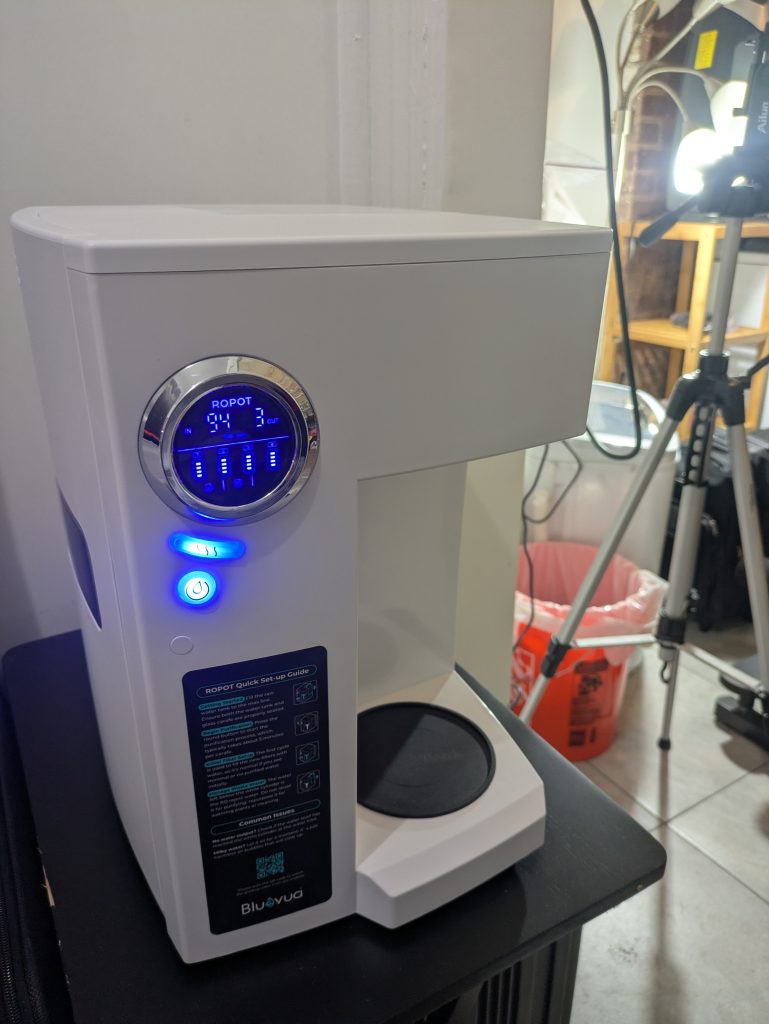
I steer clear of drinking water of questionable quality, like in certain states or countries. Untreated or insufficiently-treated water is a prime contagion vector, including of H Pylori, which I was infected with in the past and led to painful stomach ulcers, gastritis and symptomatic iron deficiency anemia (all resolved). I now drink water bottled in glass or metal (to minimize microplastics) and at home I refill bottles with faucet water filtered through a Bluevua reverse osmosis system with remineralization filter. For water testing in a new home just to ensure nothing’s too off I use and recommend Tap Score by SimpleLab – like with Bluevua, the customer service is prompt and excellent. Must be something in the employees’ water. I also got my girlfriend a Bluevua portable/travel version since she doesn’t drink straight from the tap. P.S. She loves it and no longer buys bottled water.
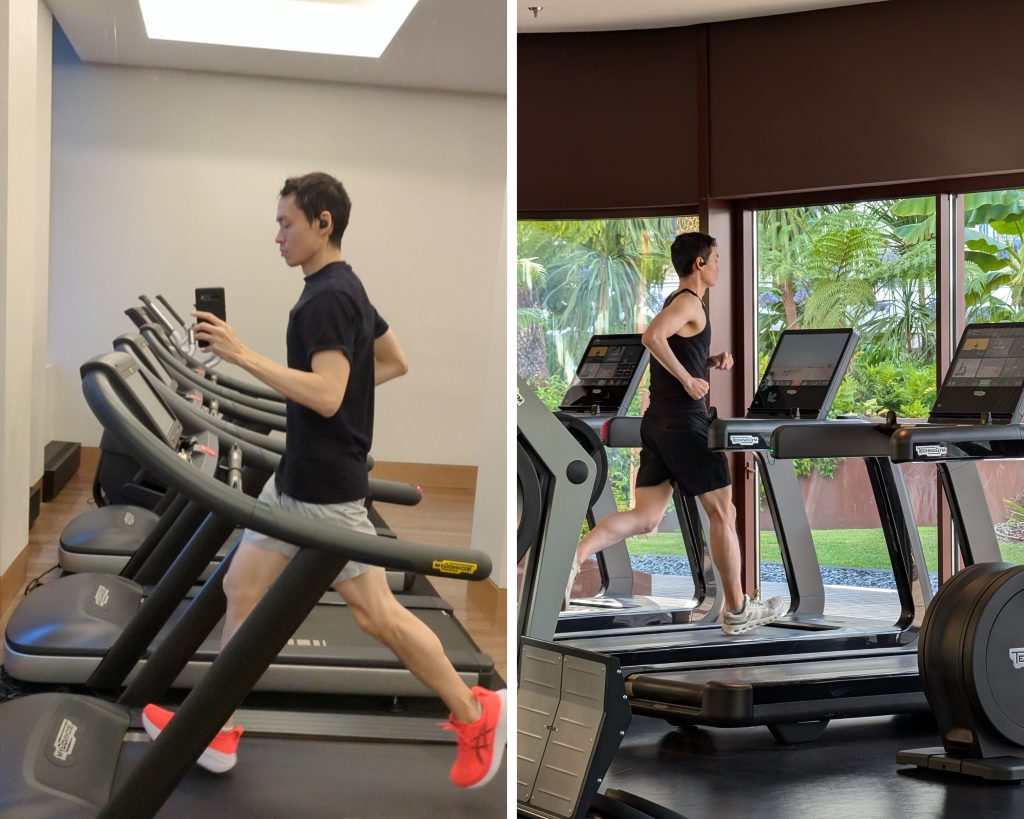
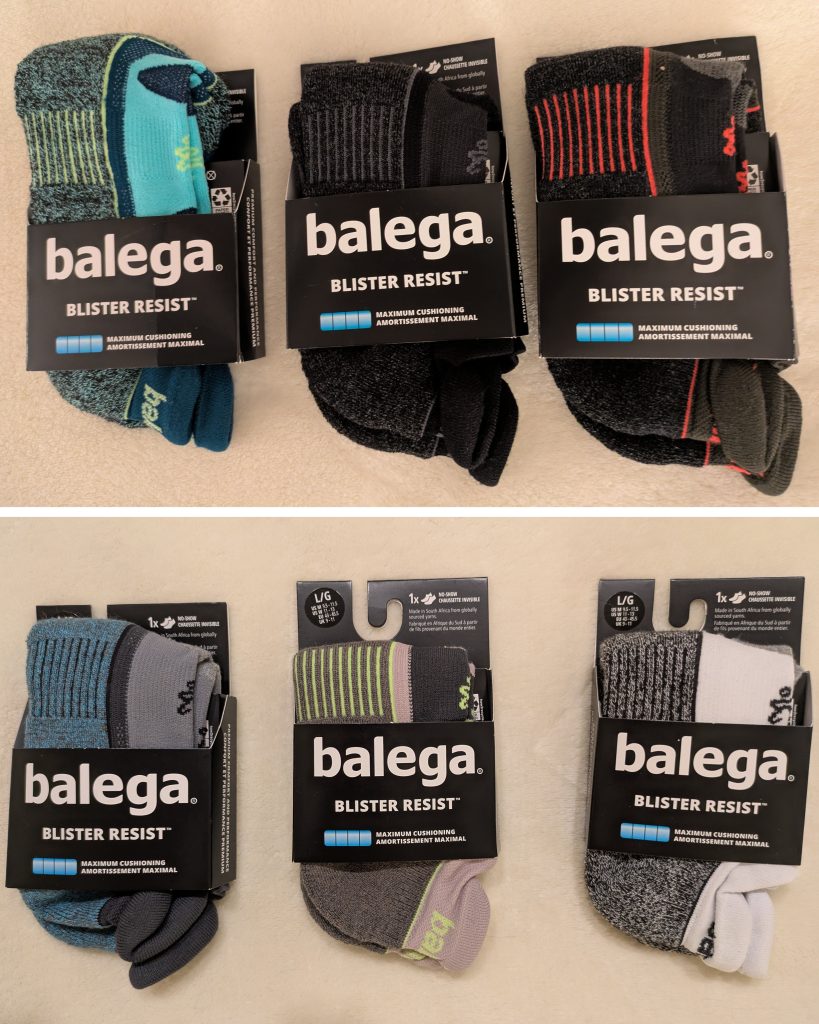
For running I wear cushioned shoes (e.g. On Cloudrunner 2, Asics Gel-Nimbus 27) to minimize knee and spinal impact, and Balega Blister Resist socks to prevent minor foot injuries I presumably incurred during runs (it’s true a lot of weird stuff seems to start happening in one’s 30s). For periods of injury that make running not a good option but cardio is still possible, I temporarily switched to ellipticals a few times – this helped heal both chronic pain in one of my knees and contributed to recovery of fractures from sports or accidents.
If I expect to encounter high AQI, whether that be outside or inside, I wear a disposable N95 mask (or rarely in the past, a N95 + OV relief or disposable P100). When running in certain locations outside, I sometimes wear a foldable N95, which I elaborate on here. I also have an elastomeric respirator with cartridges but I’ve never used it – saving it for the post-apocalyptic world after the nuclear war. At home I have a True HEPA air purifier and AQM (air quality monitor) that measures CO2, PM1, PM2.5, VOC, temperature, humidity, air pressure, and radon.
I don’t currently use recreational drugs. My trippy past is not relevant here. That said, I’ve never had a drug problem and I don’t regret (most of) my experiences.
Finally, being proactive regarding the unknown. I actually don’t do annuals. Maybe I should. But I do periodic checkups every few to several years, blood tests sometimes more often. I’ve done upper endoscopies (i.e. EGDs, primarily for the H Pylori issue), a colonoscopy, ultrasounds, x-rays and MRIs (mostly for injuries, but also whole-body general checkups like Prenuvo) – avoiding high-ionizing radiation imaging like CT scans unless needed.
Here are products/services I referred to in this section and can recommend:
Bluevua RO100ROPOT reverse osmosis (RO) countertop water filter system
Bluevua ROPOT-Travel RO portable water filter system
Tap Score advanced home water test kit
PATH refillable alkaline water
On Cloudrunner 2 cushioned running shoes
Asics Gel-Nimbus 27 cushioned running shoes
Balega Blister Resist no-show socks
Moldex 4800 AirWave N95 with OV (organic vapor) relief carbon filter
Moldex 4400 AirWave disposable P100 mask
AccuMed BNX model H95B foldable disposable black N95 masks
Coway Airmega AP-1512HHS True HEPA air purifier
Airthings 2960 View Plus air quality monitor
I haven’t tried the elastomeric reusable respirator (3M 6200) with cartridges (3M P100 60923) I own so I can’t necessarily recommend them yet.
Prenuvo full-body MRI * – more on that here
Conclusion
The above are other things I do to live up to the Chinese version of my name, which translated means “happy and healthy”.
* Referral link – use for a discount.
Updates
2026-4-17: link to sleep blog entry
2026-4-19: added 365 melatonin, Beforest app, sleepwithme podcast
2026-5-3: added headphone adapters (SHERAF, LERTOSEN, MSCPER) and HTML anchors + table of contents (press here to go to top)
2026-7-8, 10: specified podcast subcategory, minor mask para edits
2026-8-12: proactive checkups + Prenuvo link + Bluevua travel
2026-8-25: moved masked run info to new post
2026-9-17: stopped 3M earplugs
2026-10-2: replaced Sensodyne Pronamel Intensive Enamel Repair Whitening SLS-free toothpaste (non-whitening option on iHerb here *) with Sensodyne Pronamel Clinical Enamel Strength Whitening Action Toothpaste which I started in July