
UPDATE 2026/2/17: I no longer take the supplements in this entry. Instead, I now take an all-in-one capsule. Details at this link.
Here are some updates for Feb.
A few of these updates are related to my reduction in consuming fish/seafood, from basically daily to generally a few days a week (such as weekends or trips, when I eat at restaurants), and in particular minimizing consumption of high-mercury types like albacore wild tuna, to reduce my exposure to heavy metals.
I made this change and others after tests in Dec reported elevated mercury, arsenic and thallium levels in me. Fortunately, on gold-standard retests, arsenic and mercury tested well in range, and thallium borderline in range, although I’m unsure to what extent these favorable results were due to higher testing accuracy vs post-test diet changes I made (mentioned in my Jan update) from a week to over a month prior to the retests.
Omega-3
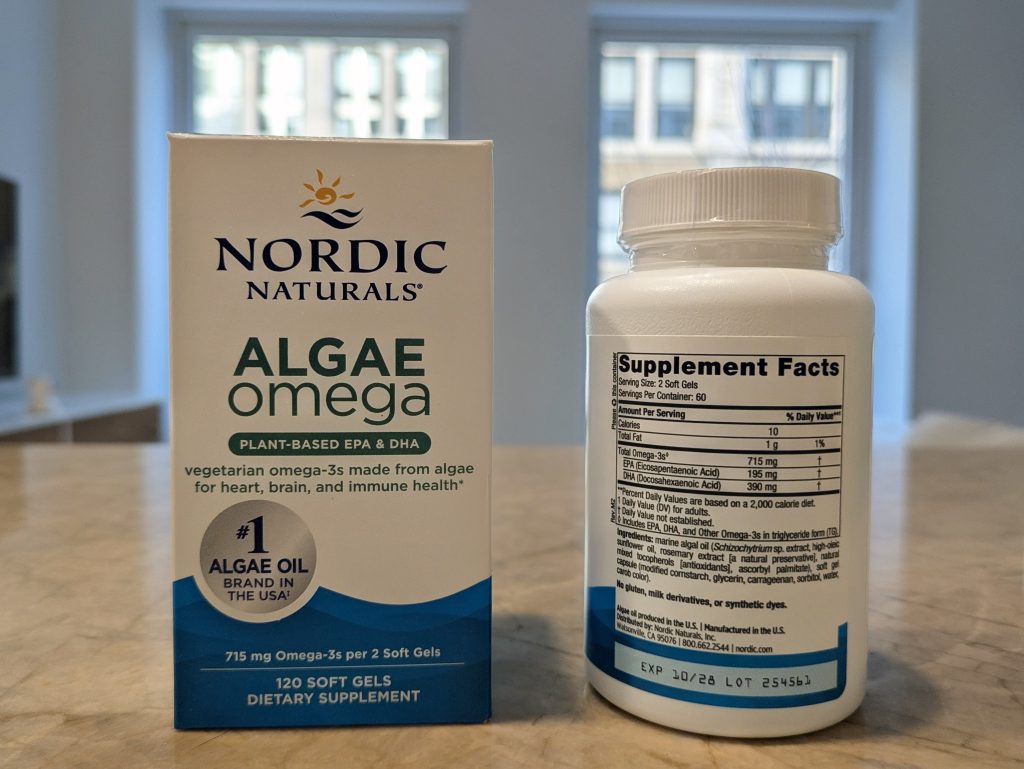
Since I’m eating less fish now, and chia/flax/hemp seeds like the BetterBody combo I eat have inefficient conversion of ALA (plant-based omega-3) to EPA/DHA (considered superior to ALA), I resumed taking omega-3 supplements.
I take these at lunch, which is also when I take B12. B12 and omega-3 work synergistically. I take Nordic Naturals algae omega-3 tablets, 1 softgel a day, which contains 357.5 mg total omega-3s, including 97.5 mg EPA and 195 mg DHA. Algae-based omega-3 supplements, compared to fish oil, are generally considered to have significantly fewer heavy metals and environmental toxins.
Buy Nordic Naturals Algae Omega-3 on iHerb.
Buy BetterBody Organic Super Seeds (Chia+Flax+Hemp) on iHerb.

THALLIUM V. sulforaphane
Brassica/cruciferous vegetables are hyper-accumulators of thallium from contaminated soil. The dehydration process used for dried kale products (e.g. kale chips) concentrates the thallium even more. So I dropped dehydrated kale products like Brad’s Crunchy Kale and Salad Snacks and reduced my consumption of vegs such as mature broccoli and frozen fresh kale, replacing with additional servings of mixed veg not in these problematic categories.
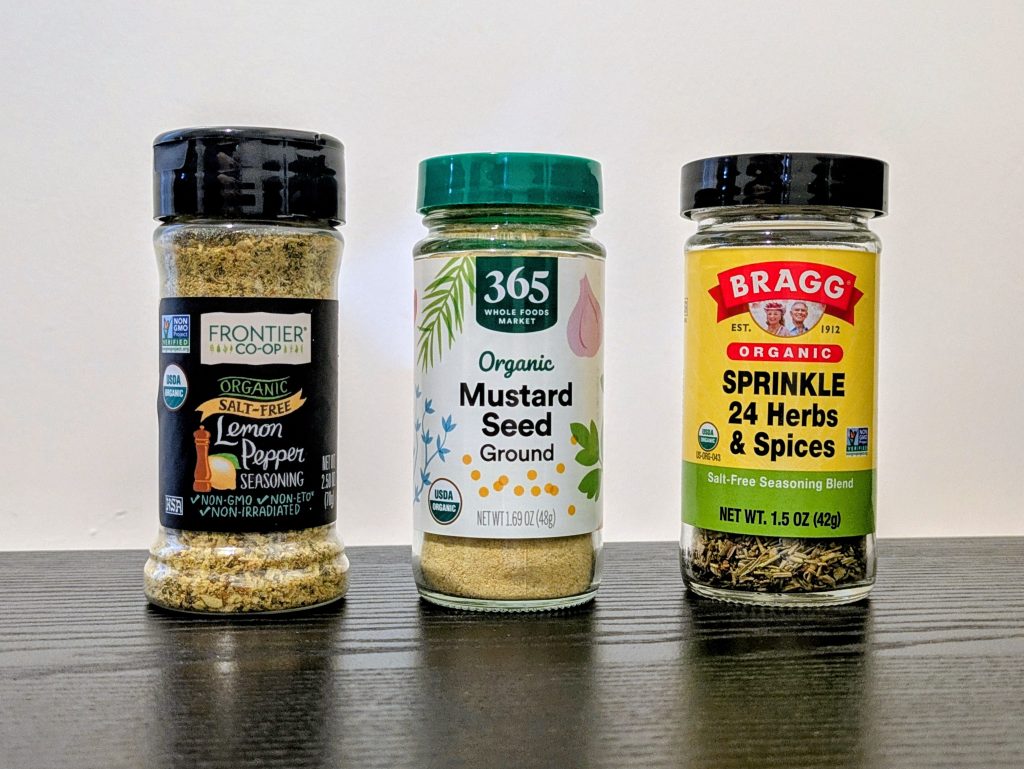
Since I get frozen broccoli, I now add mustard seed/powder to the mix as a source of myrosinase (which goes missing when broccoli is blanched prior to freezing) to turn glucoraphanin (still found in frozen broccoli) into sulforaphane (powerful antioxidant), one of the natural benefits of broccoli. Whole Foods has an organic ground mustard seed under their 365 brand.
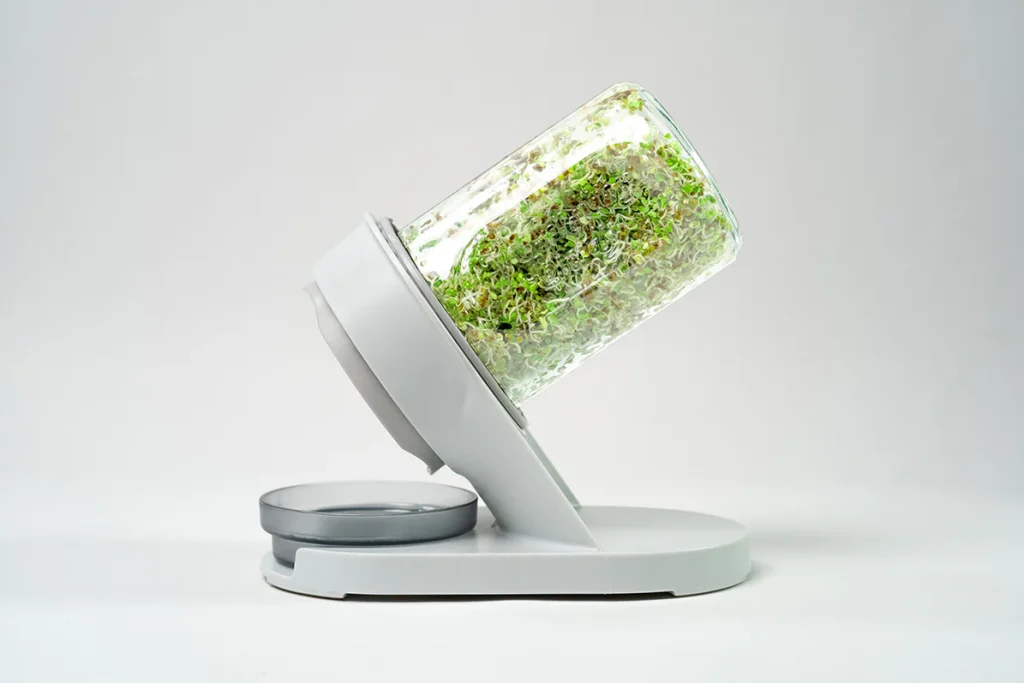
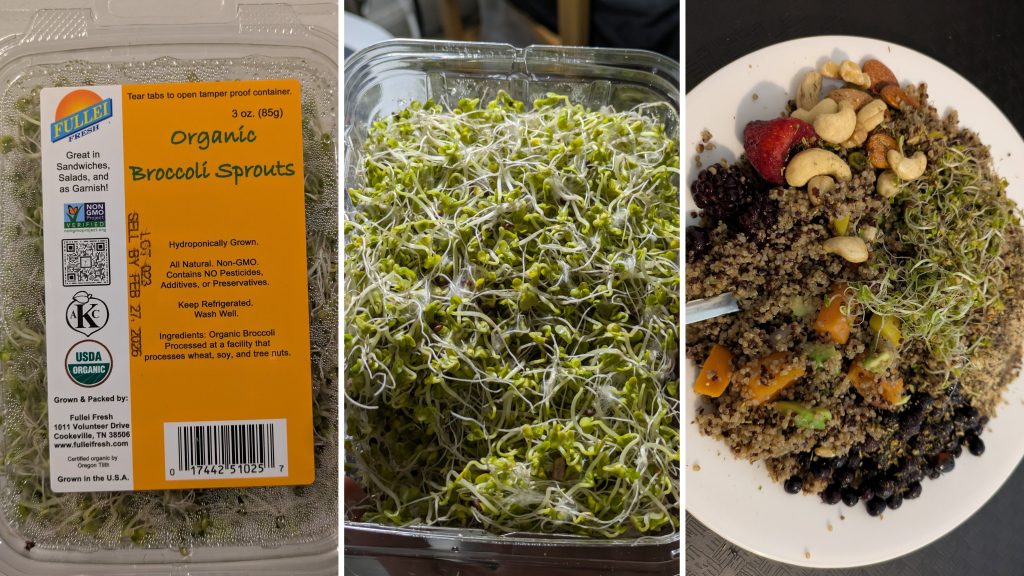
A higher source of sulforaphane than mature broccoli are broccoli sprouts, which if grown in jars like below, helps prevent thallium contamination. Unfortunately, sprouting demands a location/time commitment (e.g. much of the process requires one to be at home daily at certain times) which I can’t always guarantee, and the pre-prepared equivalent seems rare at the shops. Fortunately I found an option at Whole Foods (although doesn’t seem available at every branch), brand Fullei Fresh, hydroponically-grown (water) so no thallium contamination from soil. Another high-sulforaphane option I’m eating are AeroFarms micro broccoli. I’ll be on the lookout for others.
MISC
At home, I replaced brown rice entirely with other products including Jasberry rice, for its superior nutrient profile including minimized arsenic and higher antioxidants. I get the precooked 200g package for convenience; Original which I season myself. I use organic seasoning blends for a subtle, pleasant and fragrant flavor profile on my savory meals at home, including Bragg 24 Herbs & Spices and Frontier Co-op Organic Salt-Free Lemon Pepper. I also resumed regularly eating bread; one I like is Whole Foods 365 Organic Whole Wheat.
I’ve stuck with Whole Foods 365 Organic Unsweetened Original Almond milk for its fortified B12 to complement the daily tablet as my natural B12 sources are fewer. I drink it with many of my meals at home. I think it goes well with a plant protein bar (e.g. IQBAR) or a banana; or a bowl of Alter Eco organic granola, raw unseasoned mixed nuts, and optionally plain oatmeal. All have no added sugar.
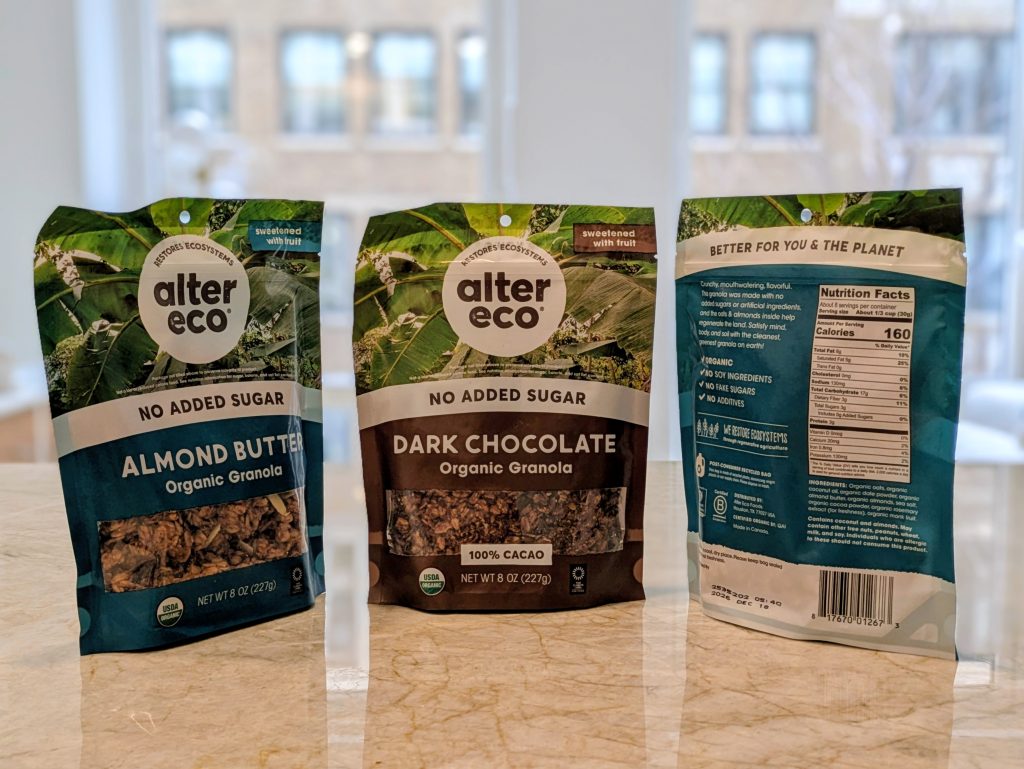
Alter Eco granola, due to its coconut ingredients (found to a lesser degree in IQBARs), are relatively high in saturated fat which can increase LDL cholesterol if not consumed moderately. The amount I eat of these is not problematic.
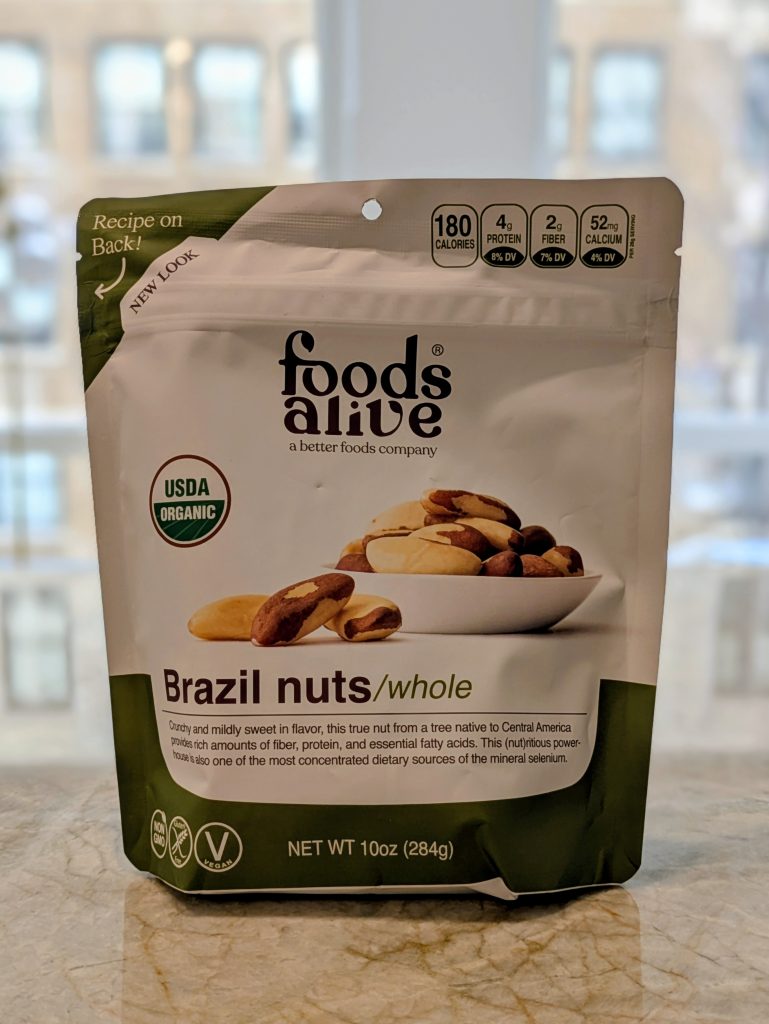
Added up to a few Brazil nuts daily, missing from the raw mixed nuts I usually eat, to ensure adequate selenium, since a plant-based diet (of which I’m primarily on) correlates with less selenium.
Buy Jasberry Superfood Rice (Original, 7.05 oz), on iHerb. *
Buy Bragg Organic Sprinkle 24 Herbs & Spices on iHerb.
Buy Frontier Co-op Organic Salt-Free Lemon Pepper on iHerb.
Buy Alter Eco Organic Granola (Dark Chocolate) on iHerb. *
Buy IQBAR Plant Protein Bar (Salted Caramel Chip) on iHerb. *
Buy organic Brazil nuts from Elan, Foods Alive, or Sunfood on iHerb.
Buy Wilderness Poets Organic Wild Mix unseasoned raw nuts on iHerb.
* Other flavors available – use ref code MGG1610 to receive up to 10% off.
As always, here is my up-to-date grocery list.
Updates
Date is when it was added here, not when the regimen started.
- 20260204: a few updates including ground mustard seed.
- 20260209: broccoli sprouts I found at supermarket.
- 20260214: broccoli microgreens.
- 20260217: Complement Essential replaces the individual supplements.